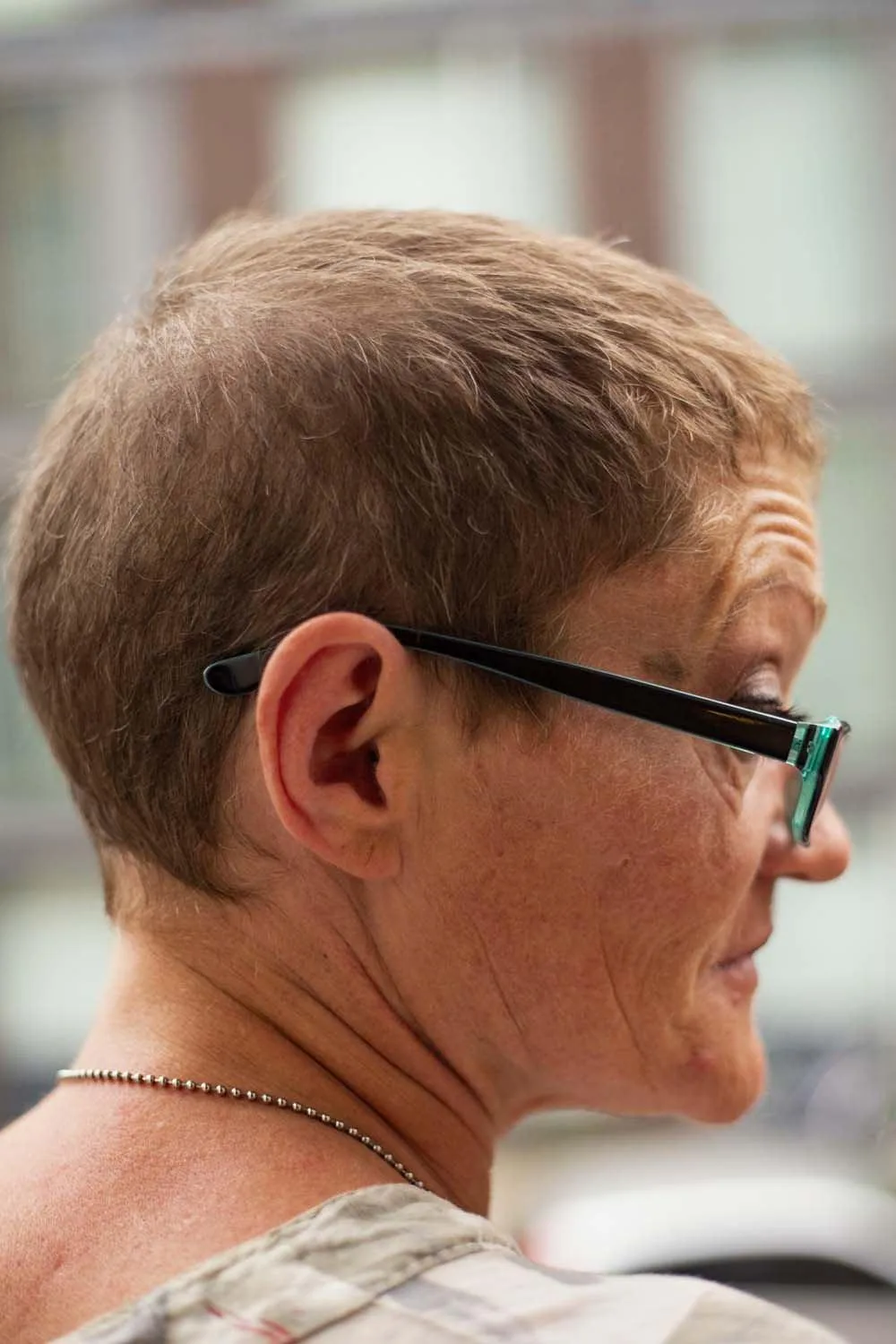
Who Beverley is
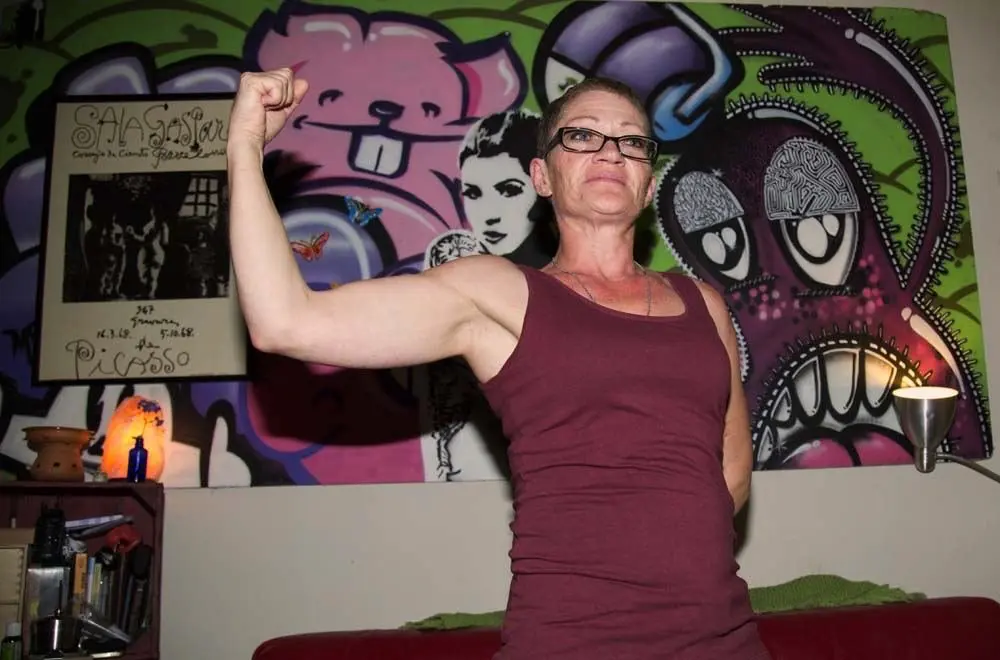
Beverley and I have known each other for a long time, and now we are close. She is a brave, empathic woman who lives with type one diabetes.
I invited her to be part of my documentary series on rare and chronic conditions, so she could raise awareness of the most serious complication of type one diabetes: death.
Living with type one diabetes
Beverley was diagnosed with type one diabetes (T1D) when she was just a teenager. Also known as juvenile diabetes, it is a form of diabetes in which the pancreas produces very little or no insulin. The classic symptoms are frequent urination, increased thirst, increased hunger and weight loss; others may include blurry vision, tiredness and poor wound healing.
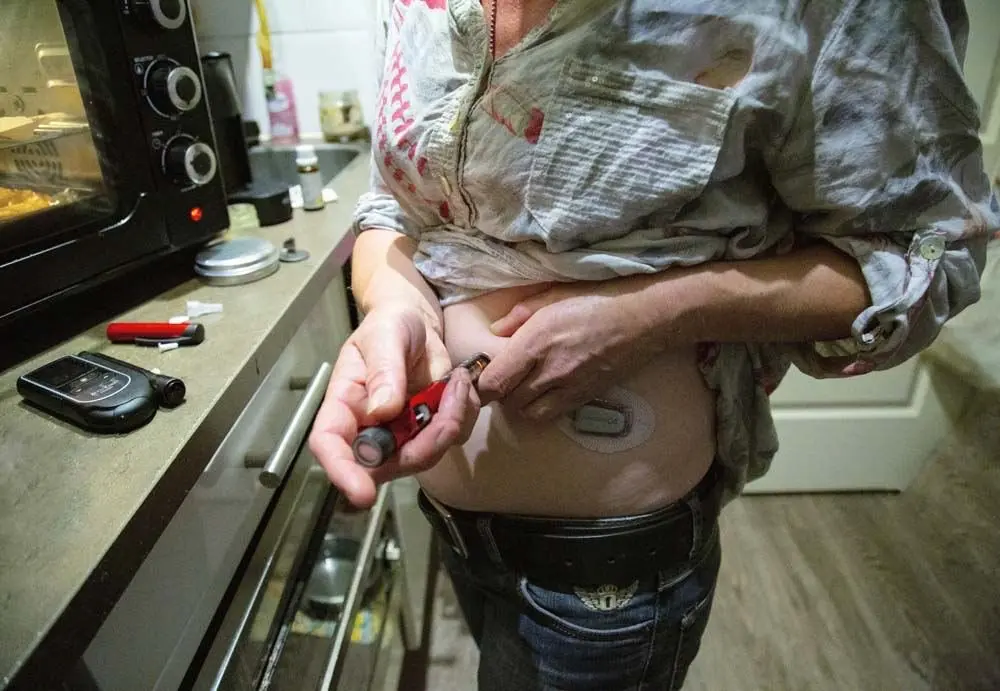
It is an autoimmune disease: the body destroys its own insulin-producing beta cells. There is no known way to prevent it, and treatment with insulin is required for survival. Insulin is usually injected just under the skin, but can also be delivered by an insulin pump.
Complications of rapid onset include diabetic ketoacidosis and nonketotic hyperosmolar coma. Long-term complications include heart disease, stroke, kidney failure, foot ulcers and damage to the eyes. People with type one diabetes are also at higher risk of other autoimmune diseases, such as thyroid disease, celiac disease, rheumatoid arthritis and lupus.
About 6 percent of people with type one diabetes also have celiac disease, which increases the risk of complications. Diabetes is usually managed by a team: a dietitian, a nurse educator, an eye doctor, an endocrinologist and a podiatrist. Worldwide, high blood glucose kills about 3.4 million people a year, and about 12 percent of people with type one diabetes live with clinical depression.
Her life, her way
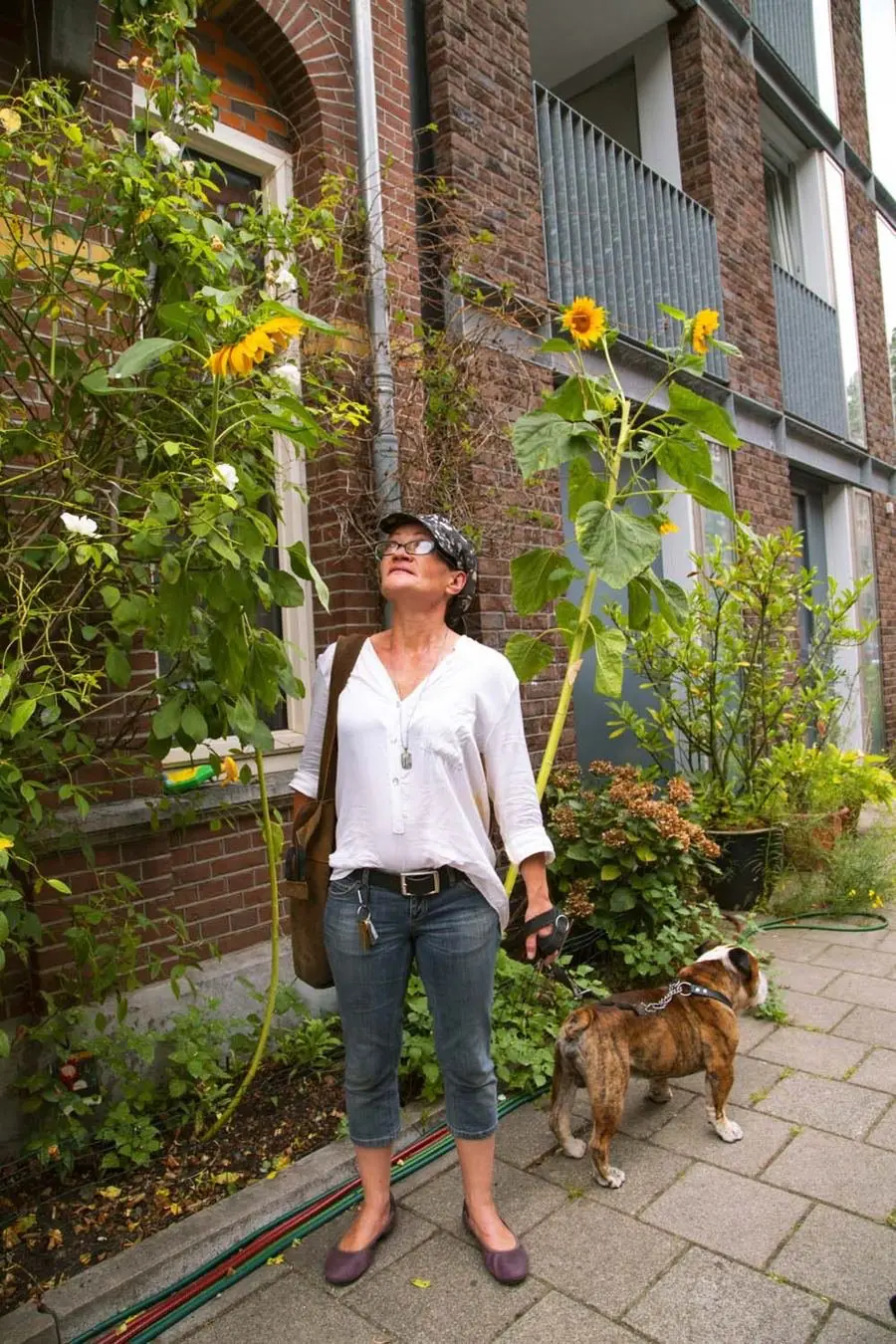
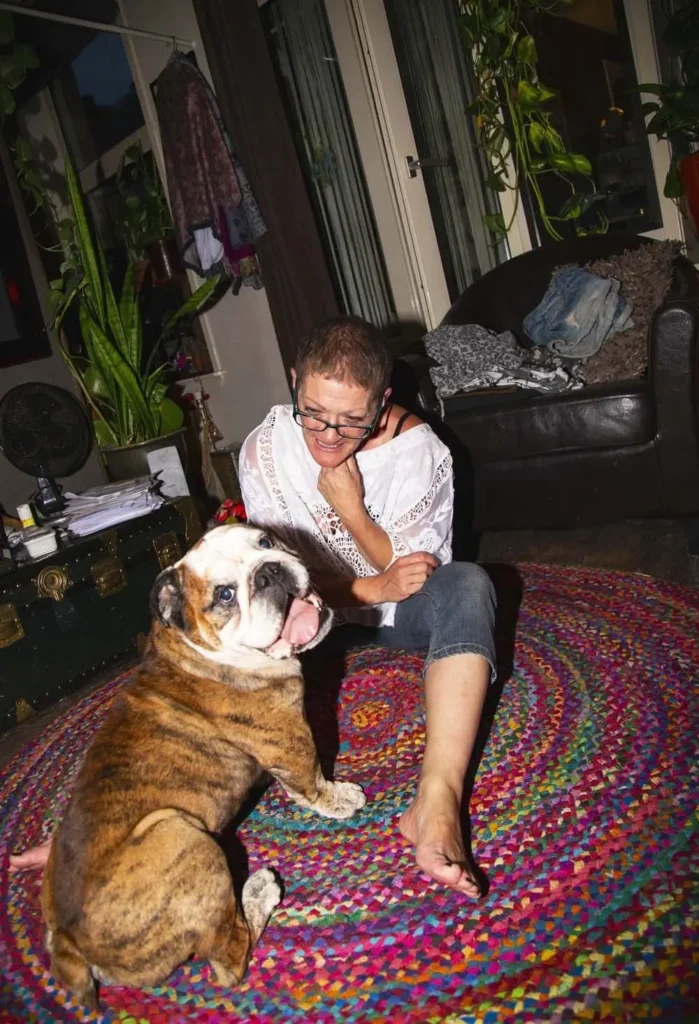
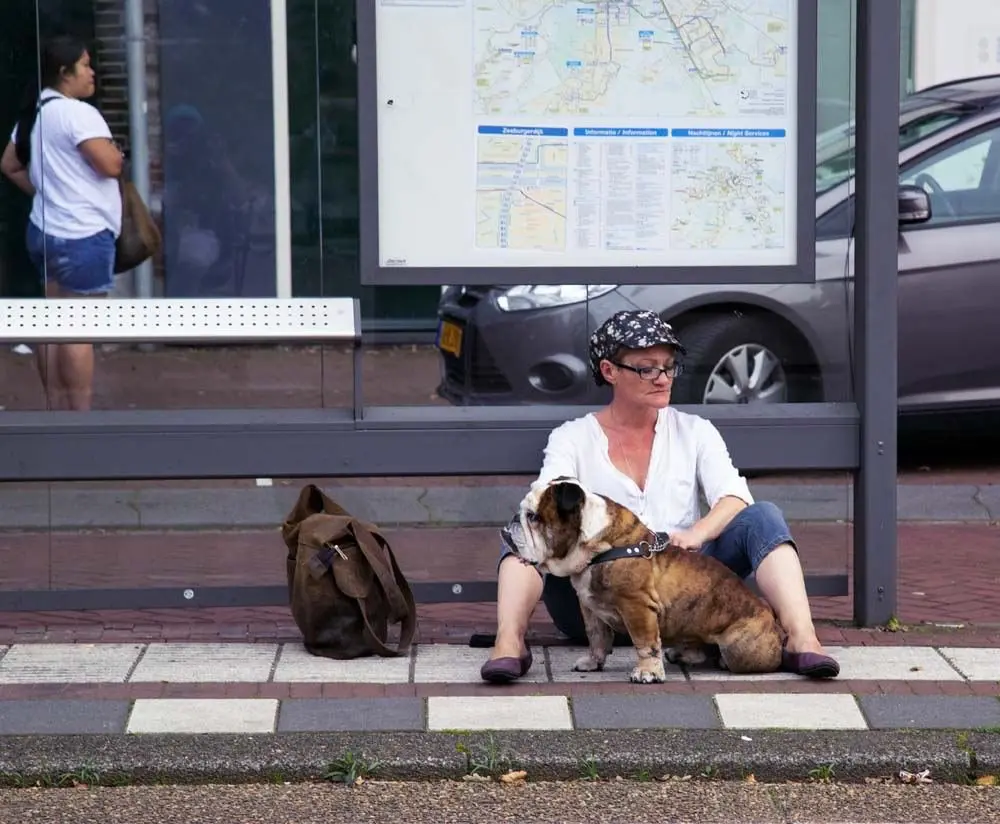
Beverley is in her forties. She lives independently with her sweetheart, the bulldog Dave, with whom she has a strong connection and who motivates her in her daily struggles with the condition. She is currently not working, but hopes to go back soon to her part-time job as a theatre host, which she loves.
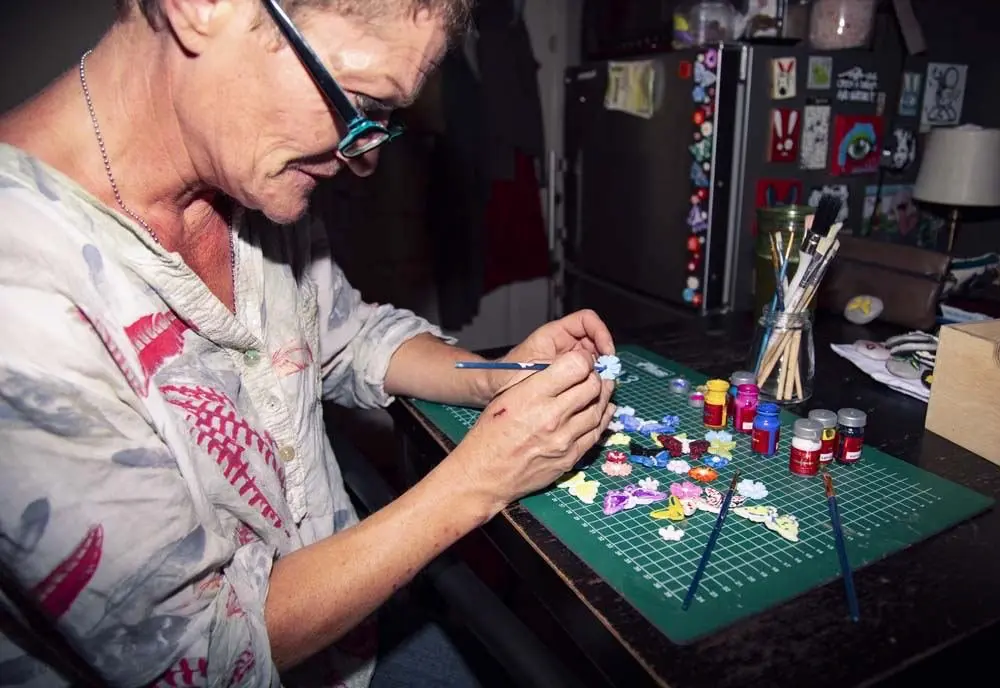
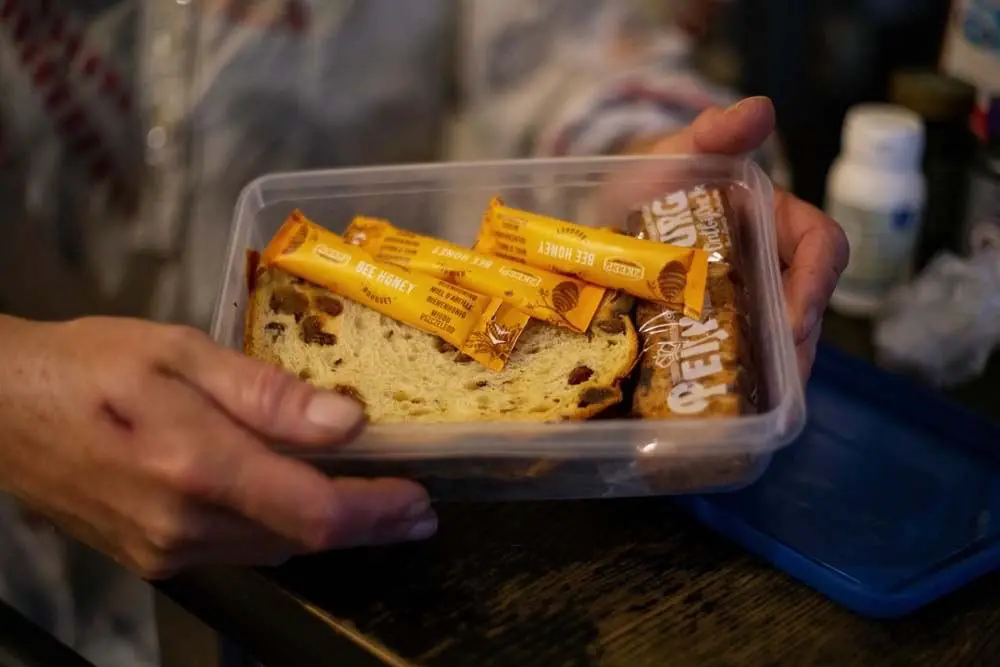
She needs a very healthy, disciplined lifestyle and the determination to handle the schedule her condition demands. She visits the hospital weekly and has professional support. She loves walking in nature with Dave, gardening, learning Spanish on Duolingo, meeting friends and doing her crafts, which she calls her art therapy.
Her message
With this portrait, Beverley wants to help younger people who face the same discrimination she did: not being hired, or being judged by people who don’t know the condition. Information matters, because without it, people with the condition get hurt. She asks us not to dismiss any chronic condition as nothing just because we’re lucky enough not to have one. Be kind to someone who lives with a chronic condition.
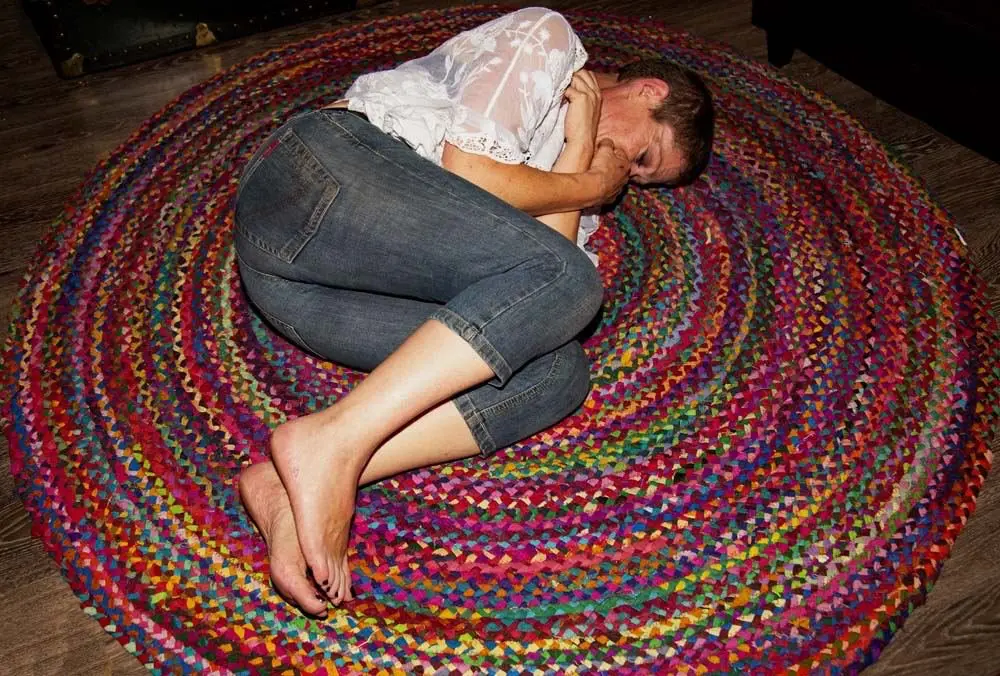
The injections, the fatigue, the pain and the frustration often make her feel misunderstood and lonely. Still, she is determined to enjoy her life as much as she can, because every minute is precious, starting with the small things.